


Going through the maze of the recovery process may be daunting, particularly to disabled persons. National Disability Insurance Scheme (NDIS) provides a life line, which is specific to the needs of each person. Home visit physiotherapy is one of the most innovative factors of this program. Think of having the benefits of professional care at the comfort of your personal space, where all the sessions are tailored to you and your personal path to health. Convenience is also achieved through this approach, which also creates a healing and empowering environment. You can find out how home visit NDIS physiotherapy is going to change the course of your destiny to recovery and make your life better than ever before.
Understanding the NDIS and Physiotherapy
National Disability Insurance Scheme (NDIS) is an important tool towards the Australians with disabilities. It provides grants and assistance to enable people live more on their own. The NDIS has placed the area of focus on one of the most important aspects in the physical rehabilitation, which is the field of physiotherapy.
Physiotherapy would help to enhance movement, alleviate pain, and increase overall functioning. Personalized physiotherapy may be life-changing to many participants. This type of therapy deals with individual needs depending on the situation of a person.
The availability of special services that are goal-directed is available to patients because of the NDIS framework. Physiotherapists from https://www.powerphysio.com.au/ understand their clients thoroughly to develop customized programs that would promote growth at each stage. It does not only focus on the recovery but also on the improvement of the quality of life via effective strategies and interventions that can empower a person.

Benefits of Home Visit NDIS Physiotherapy
Home visit NDIS physiotherapy is the most convenient one. Patients are also treated at the comfort of their own houses and this can greatly minimize anxiety and stress that is normally caused by a clinical setting.
This is a personal approach that enables therapists to evaluate real life situations. They are able to monitor the way patients move about in their area and offer them exercises that fit perfectly in their lives.
Besides, home visits promote a good therapist patient relationship. By being in a familiar environment, open communication and subsequent understanding and adherence to treatment plans will be promoted.
Another great benefit is the flexibility of the schedule. Patients will be able to book appointments at a time that they find most convenient and this way of fitting therapy in to hectic schedules is easier.
Also, caregivers enjoy the advantage of attending sessions. This engagement will make them aware of methods and practices that facilitate recovery when they are not in the appointments.
How Does it Work?
Physiotherapy under home visit NDIS begins with a baseline examination. A certified physiotherapist is sent to your house to assess your needs and objectives. They take into account your medical history and present state and lifestyle.
Upon the evaluation, the therapist develops a specific treatment strategy. It is a program that is targeted to certain exercises, techniques and therapies that are most comfortable to you. This flexibility is important; it is possible to change in the process of progress.
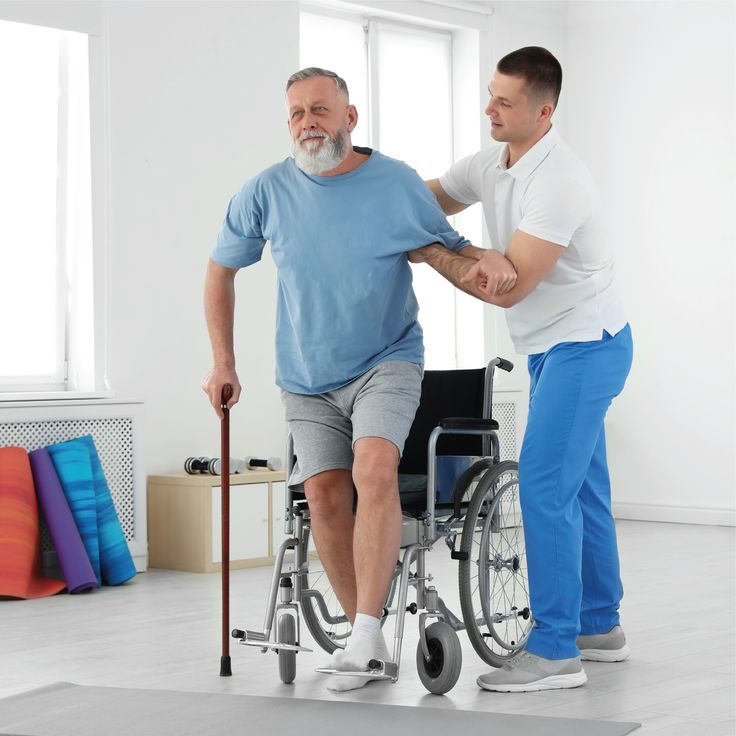
The sessions are usually based on practical therapy with assisted physical practices. The aim is to improve the mobility and strength and handle the points of pain.
Frequent appointment allows monitoring the progress. The feedback will be given by your therapist and will vary strategies depending on your response to treatment.
In this process, communication is very important. To get the best assistance, you can update or communicate any issues with your physiotherapist personally during every session.
Personalized Treatment Plans for Optimal Recovery
Individualized treatment programs are imperative in physiotherapy particularly in the disabled. The needs and objectives of every person are very different. The customization of a program will make the therapy effective and appealing.
The therapists evaluate the individual needs of an individual. Such evaluation considers past medical conditions, the degree of mobility, and individual goals. Through this information they would be able to develop specific exercises that facilitate healing.
Such tailor-made plans usually comprise of combinations of strength-training, flexibility training, and pain-management plans. It is concerned with the things that work best with the individual as opposed to a one-size-fits-all.
Depending on improvement, or failures, changes can be made. This fluidity enables people to be motivated during the process of recovery. Personalized treatment through tackling the particular needs directly creates a setting in which actual change will occur in the long term.
Empowering Individuals with Disabilities through Independence
The transformative feature of home visit NDIS physiotherapy is empowering the individuals with disabilities by their independence. This is not only an approach to the physical rehabilitation, but also a way of developing a feeling of self-sufficiency and self-confidence. When the therapy is held at the comfort of home, it will provide a setting that promotes the personal growth.
Making the patient feel comfortable in their surroundings is something that patients feel comfortable with. This comfort may result in increased motivation in sessions. Physiotherapists collaborate with clients to develop their goals, which are realistic and are specific to their lives and their needs. The more an individual gets better, the more he or she feels in control of his or her recovery process.
In addition, home visits also provide the opportunity to conduct practical training on real life situations. It can be climbing the stairs or completing their day to day activities and the therapists will show the patients exercises that will assist in improving their functioning in their respective homes. This practical training equips the clients as they consider them to be active subjects in their healing journey.
The effect is not limited to the therapy session per se; people are becoming stronger and more active, hence more involved in their community and activities throughout the day. These transformations have the potential to enhance mental health greatly resulting in deeper relationships and participation in society.
Home visit NDIS physiotherapy can be viewed as a holistic method of recovery, i.e., the one that is focused on physical well-being and empowerment in general. It is a good move by adopting this model to ensure that the people living with disabilities get a sense of independence.