



Mixing, cutting, and cleaning concrete are common steps in building and remodelling projects. These activities are important for creating buildings and infrastructure, but they also create effluent that needs to be treated appropriately. If not thrown away appropriately, concrete wastewater can hurt the environment since it has small particles, chemicals, and alkaline compounds. Responsible disposal procedures help keep soil, streams, and nearby ecosystems safe and make sure that you follow environmental rules.
How to Get Rid of Concrete Waste Water?
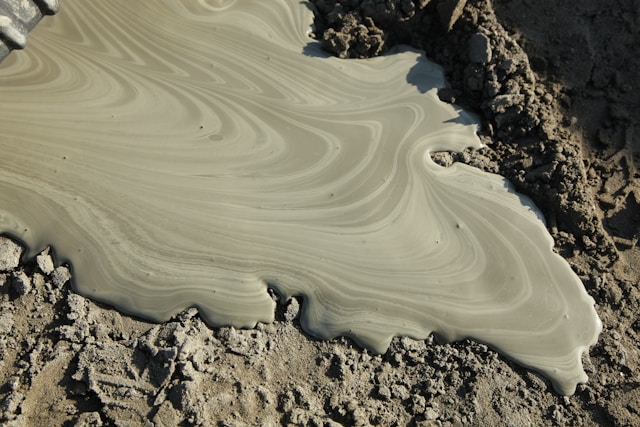
To keep the environment clean, construction businesses and contractors must be very careful about how they get rid of concrete waste water disposal. Concrete work often produces wastewater that has cement particles, sand, and other chemicals in it that can raise the pH level of the water by a lot. If this water goes straight into stormwater drains or natural waterways, it can hurt aquatic habitats and make the water less clean. Because of this, you need to use the right measures to contain and treat it. Construction sites usually have special areas or washout pits where they collect wastewater. These spaces let solid particles settle and stop the water from migrating into nearby soil or drainage systems. After the solid items have settled, the water that is left over can be processed or thrown away in a way that is safe for the environment.
Common Sources of Wastewater from Concrete
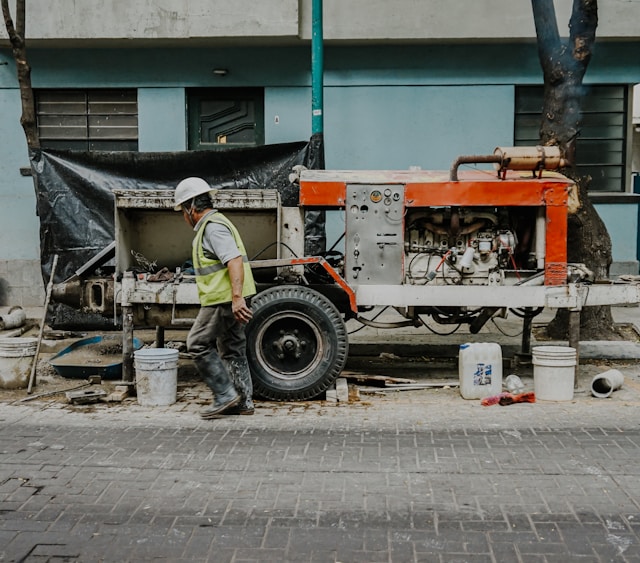
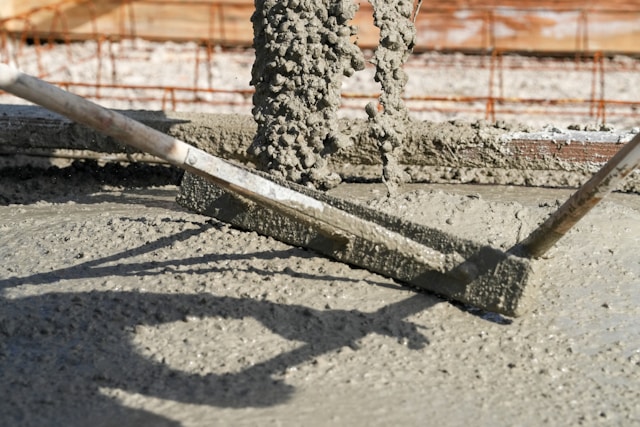
There are many building activities that can create concrete wastewater. Cleaning concrete mixing machinery is a common source. After using trucks, mixers, and tools, they must be washed, which leaves behind cement in the water. When wet cutting procedures are employed to manage dust, cutting or grinding concrete surfaces can also create wastewater. This water has little particles in it that need to be collected and cleaned. Cleaning formwork and pumping concrete are other ways that construction sites get wastewater. These actions often create water combined with cement slurry, which needs to be handled correctly. Because these things happen a lot on construction sites, it’s important to have good waste management systems to keep the sites safe and up to code.
Things to think about for the environment and the law
One of the main reasons why effective wastewater management is important is to safeguard the environment. Concrete effluent is quite alkaline, and if it gets into natural areas, it can destroy ecosystems and aquatic life. Australian environmental laws typically make it necessary for construction enterprises to follow tight rules about how to handle garbage. These rules usually say to use specific washout sites, keep runoff out of stormwater systems, and get rid of concrete waste in the right way. If you don’t follow these rules, you could face fines and damage to the environment. Responsible waste management protects natural resources and helps building practices that are good for the environment. To make sure that wastewater is managed properly, a lot of construction companies now include environmental management plans in their projects.
How to Handle Concrete Wastewater the Right Way?
There are many ways that construction sites can deal with wastewater in a good way. One typical way to deal with wastewater is to use movable washout containers that are made to catch and hold it. These containers let sediments settle without getting dirt on nearby places. You can securely remove and throw away the materials you collected later. Another way is to use filtration devices that take out solid particles from water. In some circumstances, treated water can be utilised again for other cleaning duties, which cuts down on the amount of water consumed overall. It’s also crucial to train your team well. Workers need to know how to use washout zones properly and not let wastewater flow into drains or the environment. Taking care of construction waste properly is good for the environment and keeps worksites safe. Construction workers can make sure their projects satisfy environmental regulations and have the least amount of negative effects by using good disposal methods.