




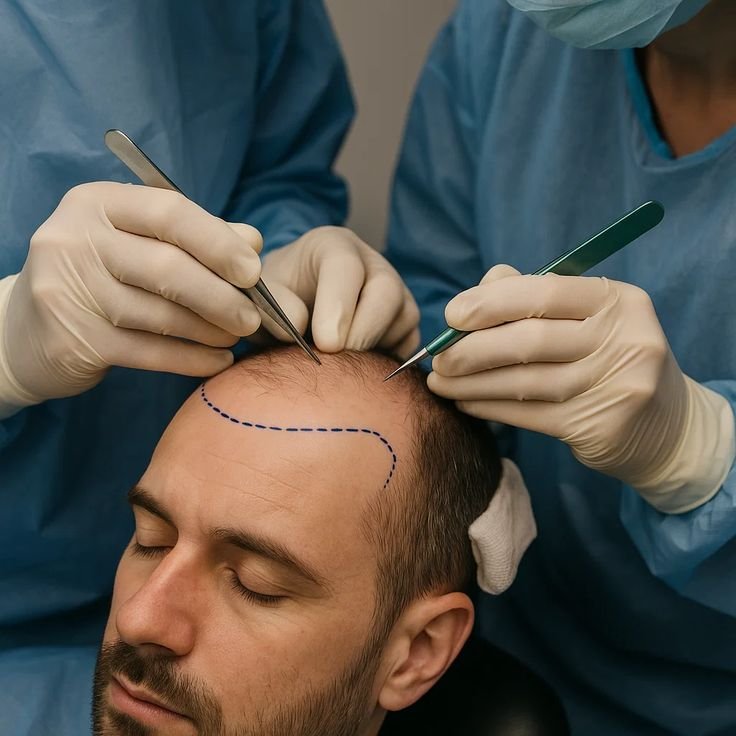
Hair loss can be a challenging and emotional journey for many. It’s not just about aesthetics; it often impacts self-esteem and confidence. Thankfully, modern innovations in hair transplantation have transformed how we approach this issue. Gone are the days of outdated methods that left noticeable scarring or unnatural results. Today’s techniques offer subtlety and effectiveness, allowing individuals to regain their hair—and with it, their self-assurance.
Whether you’re experiencing thinning strands or a receding hairline, understanding your options is essential. This guide will walk you through everything from the evolution of transplant techniques to alternatives available today and tips on selecting the right surgeon for your needs. Let’s dive into the world of contemporary hair transplantation!
The Evolution of Hair Transplant Techniques
Hair transplantation has come a long way since its inception in the 1930s. The early methods involved large grafts that often resulted in an unnatural appearance. Patients were left with noticeable patches that didn’t blend well with their existing hair. Resources from follicleclinics.com.au can help readers learn more about modern hair restoration approaches.
Over the years, techniques advanced significantly. In the 1990s, follicular unit transplantation (FUT) emerged, focusing on smaller grafts to create a more natural look. This method allowed for better density and seamless integration.
The real game-changer arrived with follicular unit extraction (FUE). Unlike FUT, FUE extracts individual hair follicles directly from the donor area without leaving linear scars. This technique promotes quicker healing and minimal downtime.
Today’s advancements include robotic assistance and improved imaging technology. These innovations enhance precision, leading to more successful outcomes tailored to each individual’s unique needs. Hair restoration is no longer just about regrowth; it’s about achieving realistic results that boost confidence and self-image.
Understanding Different Types of Hair Loss
Hair loss can affect anyone, regardless of age or gender. Understanding the types is essential for effective treatment.
Androgenetic alopecia, commonly known as male or female pattern baldness, is the most prevalent form. It usually manifests as a receding hairline in men and thinning on the crown in women.
Telogen effluvium occurs due to stressors like illness, surgery, or hormonal changes. This type leads to temporary shedding but often resolves itself once the trigger is managed.
Alopecia areata presents differently; it results in sudden patches of hair loss. The exact cause remains unclear but it’s thought to be autoimmune-related.
Traction alopecia results from tight hairstyles that pull on hair over time. Changing styling habits can help mitigate further damage.
Understanding these diverse types helps pave the way for suitable solutions tailored to individual needs.
Preparing for a Hair Transplant
Preparing for a hair transplant is an essential step toward achieving your desired results. Start by consulting with your surgeon. They will assess your specific case and discuss the best approach tailored to you.
Next, it’s crucial to inform them about any medications or supplements you’re taking. Some may interfere with the healing process or increase bleeding risks.
Adjusting your lifestyle can also make a significant difference. For at least two weeks before the procedure, avoid alcohol and smoking as they can impede recovery.
On the day of the surgery, wear comfortable clothing and arrange for someone to drive you home afterward. It’s important to arrive well-rested so that you’re mentally prepared for this transformative experience.
Have realistic expectations about outcomes and timelines. Understanding what lies ahead will help ease anxiety and set you up for success on your hair restoration journey.
Alternatives to Hair Transplantation
For those hesitant about hair transplantation, several alternatives are available. One popular option is topical treatments like minoxidil, which can stimulate hair growth and slow down loss.
Another avenue to explore is low-level laser therapy (LLLT). This non-invasive technique uses light to promote circulation in the scalp, encouraging healthier hair follicles.
Also gaining traction are platelet-rich plasma (PRP) injections. By using a patient’s own blood, concentrated platelets are injected into the scalp to rejuvenate and revitalize thinning areas.
Wigs and hairpieces offer immediate results without medical procedures. Today’s options look incredibly natural and come in various styles.
Lifestyle changes—such as improving diet or reducing stress—can also positively impact hair health. Mindful choices might help maintain what you have or even encourage new growth over time.
Choosing the Right Surgeon
Choosing the right surgeon for your hair transplant is pivotal. The success of the procedure heavily relies on their expertise and skill.
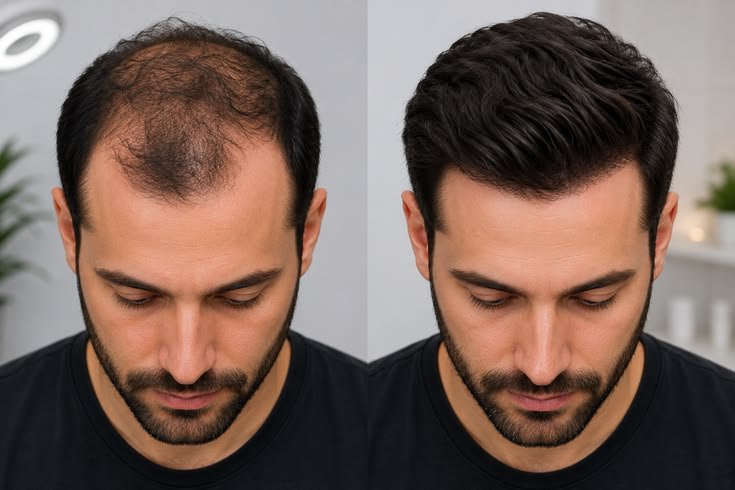
Start by researching potential surgeons in your area. Look for board-certified professionals who specialize in hair restoration. Check their credentials, experience, and before-and-after photos of previous patients. These images can provide insight into the quality of their work.
Don’t hesitate to read reviews from other patients. Their experiences can shed light on what you might expect during the process and post-surgery care. Consultation appointments are invaluable; they allow you to gauge not only a surgeon’s knowledge but also how comfortable you feel with them.
Ask questions about techniques, expected results, recovery time, and any possible complications. A good surgeon will have clear answers and will take the time to explain everything thoroughly.
Trust your instincts—if something feels off during consultations or if you’re met with pressure tactics to proceed quickly, it may be wise to seek out another option.
Investing time in finding a qualified professional could make all the difference in achieving natural-looking results that boost both confidence and self-esteem.