




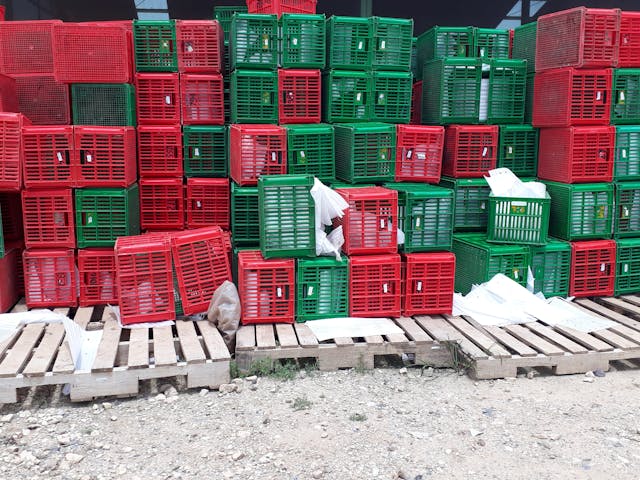
Warehousing and logistics act as the backbone of supply chains, ensuring goods move from manufacturers to distributors and then to consumers through organised transfer stages.
Within this system, efficiency holds importance because supply chains depend on stable movement and control during each handling and distribution stage. A key component supporting this efficiency comes from timber pallets, which operate as a foundation element within warehousing and logistics processes. These platforms now hold a central role in Australia’s warehousing and logistics industry by supporting handling, storage, and transportation across sector operations. The function of timber pallets reaches beyond serving as a base used for stacking goods within storage and transport systems. Their durability, adaptability, and cost-effectiveness guide businesses when selecting pallet solutions that support controlled workflows. Companies across Australia, including those sourcing timber pallets from BCSM, gain value from consistency and reliability during logistics operations.
Standardisation and Handling Flow in Warehousing
One large benefit that timber pallets bring to warehousing is in standardization which many operators report with confidence in day-to-day handling. Within logistics operations, uniformity supports efficiency because systems depend on repeatable movement patterns and controlled processes. Timber pallet design is to a standard which in turn allows forklifts, pallet jacks and automated systems to handle the pallets without interruption. This standardization reduces operational complexity which in turn sees staff loading and unloading products without regard for size match or base support issues. Across Australia, distribution networks have many players that, in support of timber pallet use, see to the compatibility between facilities and transport systems.
Durability and Longevity in Demanding Environments
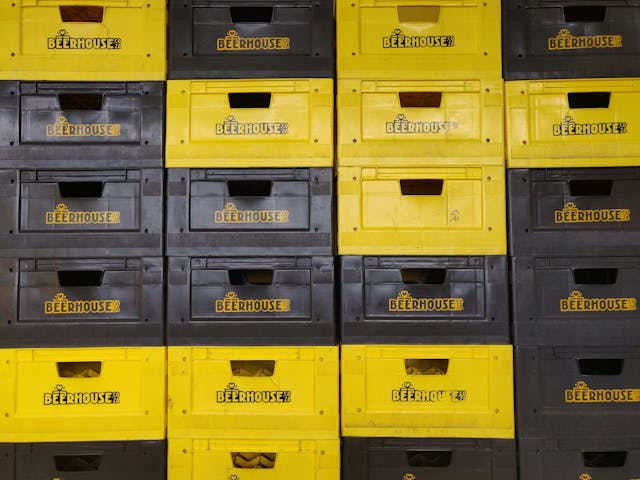
Warehouses and logistics hubs are the kinds of places where pallets get put through the wringer, heavy loads, constant movement and all sorts of extreme conditions don’t do them any favours. But timber pallets are up to the task, they can take a pounding and keep on going. They’re a lot more than just capable of withstanding heavy weight and repeated use; they can actually handle being tossed around a bit, too. Because of this ruggedness, they’re a practical choice for industries right across the board, agriculture, manufacturing and all the rest. And even in Australia’s crazy climate, which can go from super humid to super dry in the space of an hour, timber pallets just keep on performing. That they can stand up to all this makes them a dependable choice, offering a balance of being strong and adaptable at the same time.
Cost-Effectiveness and Accessibility
Logistics is not just about getting things moved from A to B quickly; it’s also about watching the pennies. And timber pallets, they’re one of the most affordable options out there, for sure, a lot cheaper than things like plastic or metal pallets. That’s why businesses of all shapes and sizes from tiny startups to massive corporations, can get their hands on them without breaking the bank. They’re everywhere, so you can easily get extras or replacements when you need them, which keeps operations running smoothly. Like seasonal industries like agriculture or retail, they get slammed with orders out of the blue and need to scale up their pallet usage pretty fast, but they can do that without it costing an arm and a leg.
Supporting Automation and Modern Logistics Systems
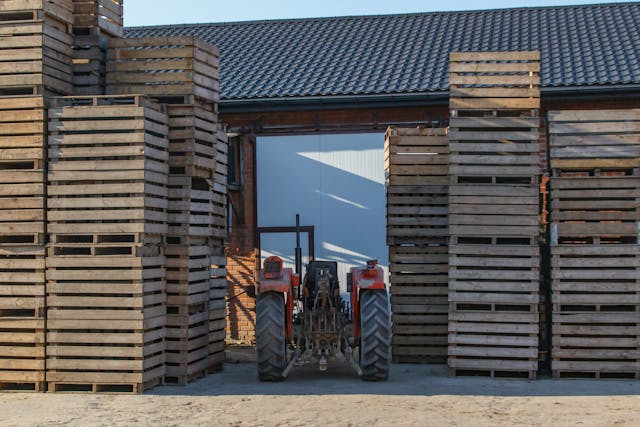
As warehouses around the country start to get all fancy with automation and advanced logistics tech, timber pallets continue to be the unsung hero in all this. Automated storage and retrieval systems, conveyor belts and all the rest all rely on standard pallet sizes, and timber pallets just happen to fit the bill. They’re always the same size and sturdy enough for the job. They just go with the flow and make it all work. Their flexibility means you can just swap in new tech without having to rethink your whole pallet system. This makes timber pallets a kind of bridge between the old ways and the new, helping efficiency in all sorts of different environments.