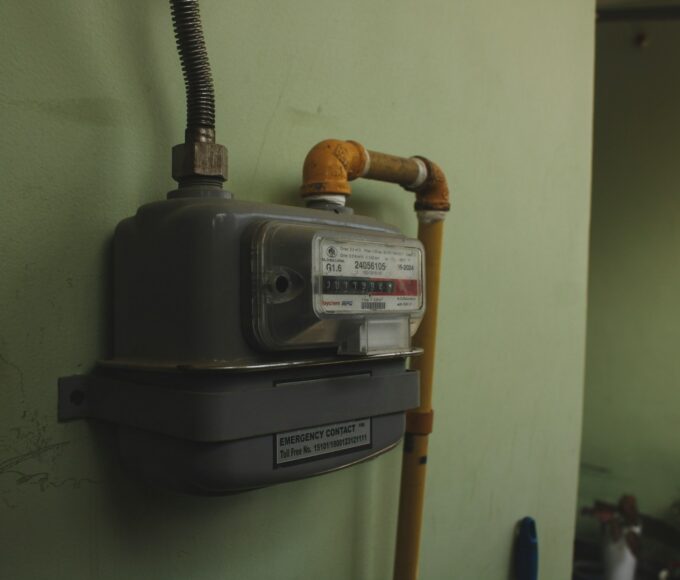




If they go unnoticed, leaks in commercial, residential, and industrial settings can result in significant harm. In addition to wasting important resources, leaks of water, gas, refrigerant, and other fluids can jeopardise structural integrity, produce dangerous situations, and result in regulatory non-compliance. Early leak detection reduces both the risk to people and property and the expense of cleanup.
Australian Leak Detection Equipment Types
Reliable and accurate Leak Detection Equipment is always needed in Australia’s mining, construction, manufacturing, utilities, and building services sectors. Even in places that are hard or impossible to physically access, leaks can now be found fast and accurately thanks to advancements in detecting technology.
A vast array of technologies designed for various leak kinds and situations are included in modern leak detection equipment. HVAC professionals frequently utilise electronic refrigerant leak detectors to find refrigerant seeping from refrigeration and air conditioning systems. By detecting traces of refrigerant gas in the surrounding air, these portable instruments enable accurate leak point identification
The sound signature of pressurised gas or fluid escaping through a break is detected by acoustic and ultrasonic leak detectors. These tools are very helpful for finding leaks in hydraulic circuits, compressed air systems, and pressurised pipes. By detecting temperature anomalies connected to escaping liquids or gas, thermal imaging cameras can also find leaks.
Identification of Ground and Pipeline Leaks
To find leaks in subterranean water mains and pipelines, water utilities and construction contractors employ correlated leak detectors and specialist ground microphones. By identifying the vibration and acoustic signature produced by water escaping under pressure, these advanced instruments enable the leak to be located on the surface without the need for excavation.
Tracer gas detection devices locate leaks precisely by introducing a harmless gas combination, usually nitrogen and hydrogen, into a pipeline. A sensitive electronic sensor carried by the operator detects the tracer gas as it leaves at the leak spot and climbs to the surface.
Selecting the Appropriate Leak Detection Tools for Your Use
The type of leak being sought, the media involved, the environment, and the necessary sensitivity all influence the choice of detecting equipment. When choosing the appropriate technology for each particular application, expert guidance from a leak detection specialist or equipment supplier is helpful.
Purchasing high-quality, specially designed leak detection equipment and making sure workers are well trained in its use greatly increases detection accuracy and lowers the time and expense of locating and fixing leaks. Early and precise leak detection is a cost-effective investment for critical infrastructure and high-value assets.