




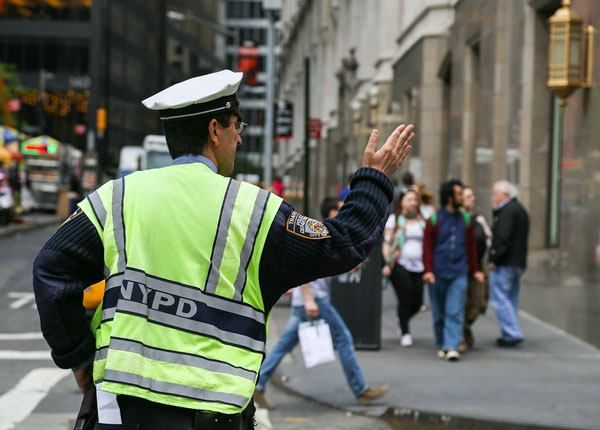
Traffic proceedings can feel daunting. Whether you’re pulled over for a minor infraction or find yourself facing more serious charges, understanding the process is crucial. It’s easy to feel overwhelmed by flashing lights and legal jargon. However, knowing your rights during these encounters empowers you to navigate the situation with confidence.
Many drivers underestimate the importance of being informed about their rights on the road. You might be surprised at how much protection the law provides you in traffic stops and proceedings. With this knowledge, you can assert yourself appropriately while ensuring that law enforcement respects your legal boundaries.
This blog will guide you through what to expect during traffic proceedings, highlighting your rights and what actions to take if those rights are compromised. Buckle up as we unravel some common misconceptions and help empower your driving experience!
Your Rights During Traffic Stops
traffic lawyers help for your offence during a traffic stop, it’s crucial to know your rights. You are not obliged to answer questions that may incriminate you. Politely decline to provide any unnecessary information.
You have the right to remain silent. This applies once an officer begins questioning you beyond standard identification checks. Keep your responses brief and factual.
If asked for permission to search your vehicle, remember: you can refuse consent. Officers must typically have probable cause or a warrant to conduct a search without your approval.
Always stay calm and respectful during interactions with law enforcement. Avoid confrontational behavior, as this could escalate the situation unnecessarily.
Document everything after the encounter—consider taking notes on what happened while it’s fresh in your mind. If needed, these details can be invaluable later on when addressing any concerns regarding your treatment during the stop.
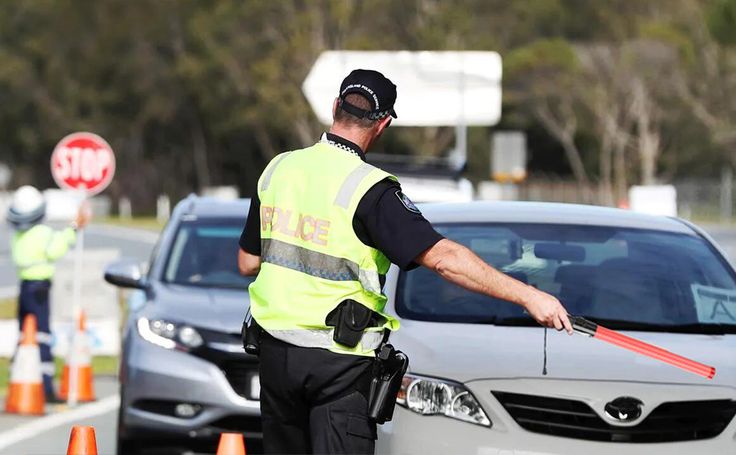
The Importance of Knowing Your Rights
Understanding your rights during traffic proceedings is crucial. Many people don’t realize that they have specific protections under the law. Knowing what you’re entitled to can make a big difference in how you respond during a stop.
Being informed empowers you. It equips you to handle interactions with law enforcement calmly and confidently. When you’re aware of your rights, you’re less likely to be taken advantage of or coerced into making decisions that could harm your case.
Additionally, awareness fosters accountability among officers. If drivers know their rights, police are more likely to conduct stops respectfully and within legal boundaries. This mutual understanding helps create a safer environment for everyone on the road.
Moreover, knowing your rights can lead to better outcomes if disputes arise later on. Whether it’s challenging a ticket or contesting an arrest, having this knowledge strengthens your position significantly.
What to Do if Your Rights are Violated
If you believe your rights have been violated during a traffic stop, it’s crucial to stay calm. Escalating the situation might lead to further complications.
Document everything as soon as possible. Write down the officer’s name, badge number, and any details about the encounter. This information will be vital later.
Consider gathering evidence like photographs or witness statements if there were bystanders. They may provide valuable perspectives on what transpired.
Next, file a formal complaint with the police department involved. Ensure your complaint is clear and detailed to support your case effectively.
You can also consult an attorney specializing in civil rights or traffic law. Their expertise can guide you through potential legal actions and help protect your interests moving forward.
Staying informed about local laws regarding traffic stops will empower you in future interactions with law enforcement.
Common Misconceptions About Traffic Proceedings
Traffic proceedings can be confusing, and many people hold misconceptions that can negatively impact their experiences. One common myth is that you must always comply with everything an officer says during a traffic stop. While it’s important to remain calm and respectful, you also have the right to ask questions about why you’re being stopped or to clarify what is expected of you.
Another misconception is that all traffic violations automatically result in points on your license or fines. This isn’t true for every incident; some infractions may offer alternatives like defensive driving courses that can keep your record clean.
Many believe they cannot contest a ticket if they were found guilty by an officer at the scene. However, everyone has the right to appeal or challenge a citation in court. It’s essential to understand your rights and options rather than simply accepting guilt without question.
Additionally, there’s often confusion around whether officers are required to inform individuals of their rights during a traffic stop. Unlike criminal arrests, officers are not mandated to read Miranda rights unless they’re taking someone into custody for more serious charges.
Some think having legal representation isn’t necessary for minor offenses. However, seeking advice from a lawyer familiar with traffic law could prove beneficial—even for simple issues—ensuring your rights are protected throughout the process.
Being informed helps demystify traffic proceedings and empowers individuals when dealing with law enforcement situations on the road.