




Creating a home workshop is a practical way to make repairs, complete DIY projects and explore new skills without relying on professional services for every small task. Whether you have a dedicated garage, a spare room or a compact outdoor workspace, having the right equipment can make a significant difference to productivity and convenience. A well-organised workshop should include essential hand tools, reliable power equipment, suitable storage solutions and appropriate safety accessories. Choosing quality hardware supplies and arranging everything carefully can help create a functional environment for projects of different sizes. With some planning and the right equipment, homeowners can build a workshop that supports everyday maintenance and more ambitious creative activities.
Choosing Essential Hardware Supplies for Your Home Workshop
The first step towards building a useful workshop is identifying the tools and materials needed for your regular projects. Exploring suppliers such as Keeler Hardware can help homeowners find suitable hardware products for different repair, maintenance and DIY requirements. Instead of purchasing everything at once, consider starting with essential items that offer practical value across multiple tasks. Measuring tapes, screwdrivers, hammers, pliers, adjustable spanners and utility knives are useful additions to almost any home workshop.
It is also important to consider the quality and durability of each product. Tools that are comfortable to handle and made from reliable materials can provide better performance over time. Before purchasing, check product specifications, sizes and intended applications to ensure they match your requirements. Building a collection gradually allows homeowners to invest in dependable equipment without exceeding their budget. A carefully selected range of hardware supplies can provide a strong foundation for completing everyday household projects.
Selecting Hand Tools and Power Equipment for Different Tasks
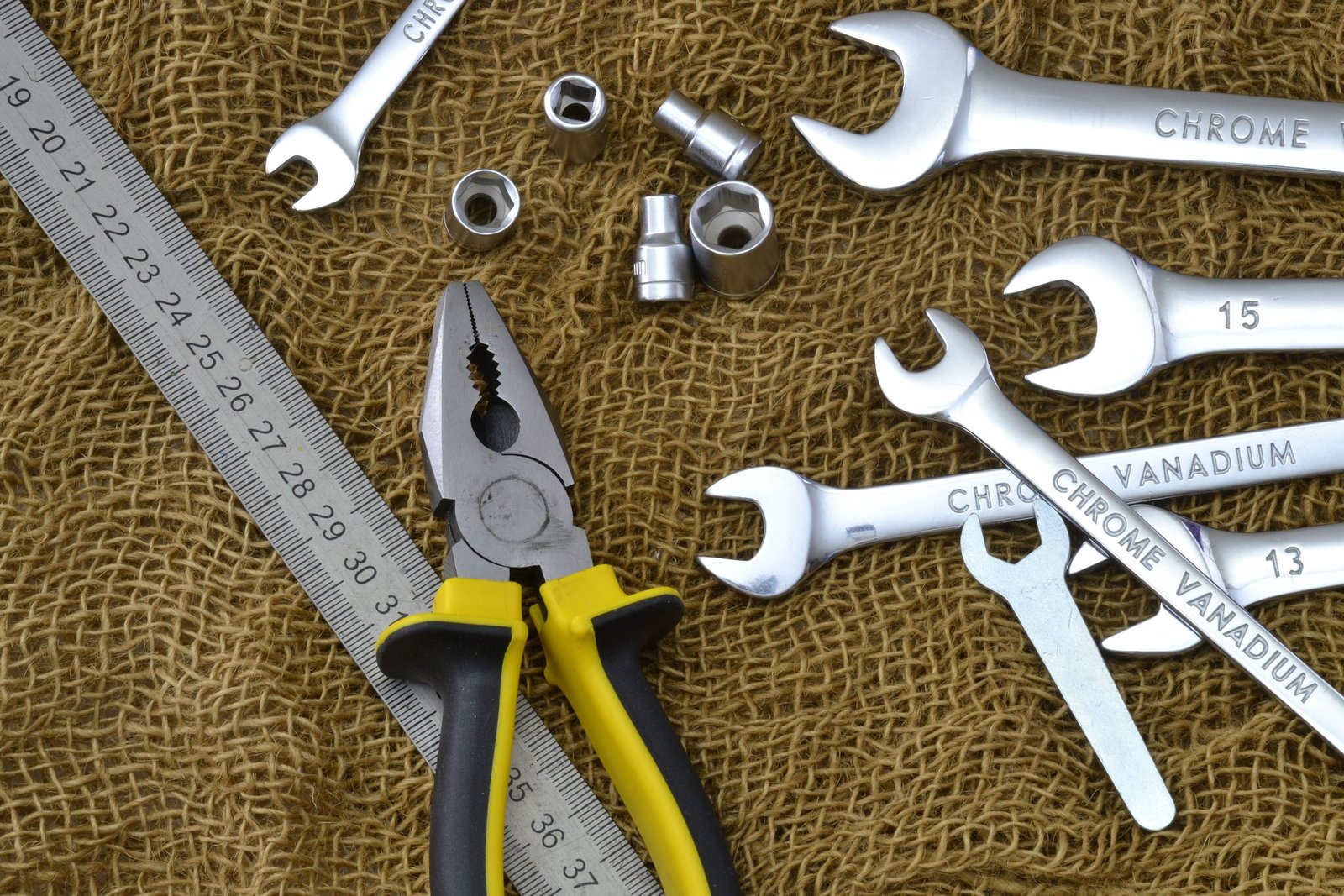
Hand tools are among the most important items in a home workshop because they can be used for a wide variety of basic repairs and maintenance activities. Screwdriver sets, socket sets, clamps, measuring squares and spirit levels help with assembling furniture, tightening fittings and completing small adjustments. Keeping different sizes available can also prevent unnecessary interruptions when working with various materials and fasteners.
Power tools provide additional convenience when handling more demanding projects. Cordless drills, electric sanders, circular saws and jigsaws can help with drilling holes, preparing surfaces and cutting timber or other suitable materials. When selecting power equipment, consider factors such as motor performance, battery capacity, handling comfort and available safety features. Beginners may benefit from versatile tools that can perform several functions rather than purchasing specialised equipment immediately.
Proper maintenance is equally important for keeping tools in good working condition. Cleaning equipment after use, checking power cables and replacing damaged components can help extend its lifespan. Batteries should be stored according to manufacturer recommendations, while cutting accessories should remain sharp and suitable for their intended applications.
Organising Workshop Storage and Creating a Functional Workspace
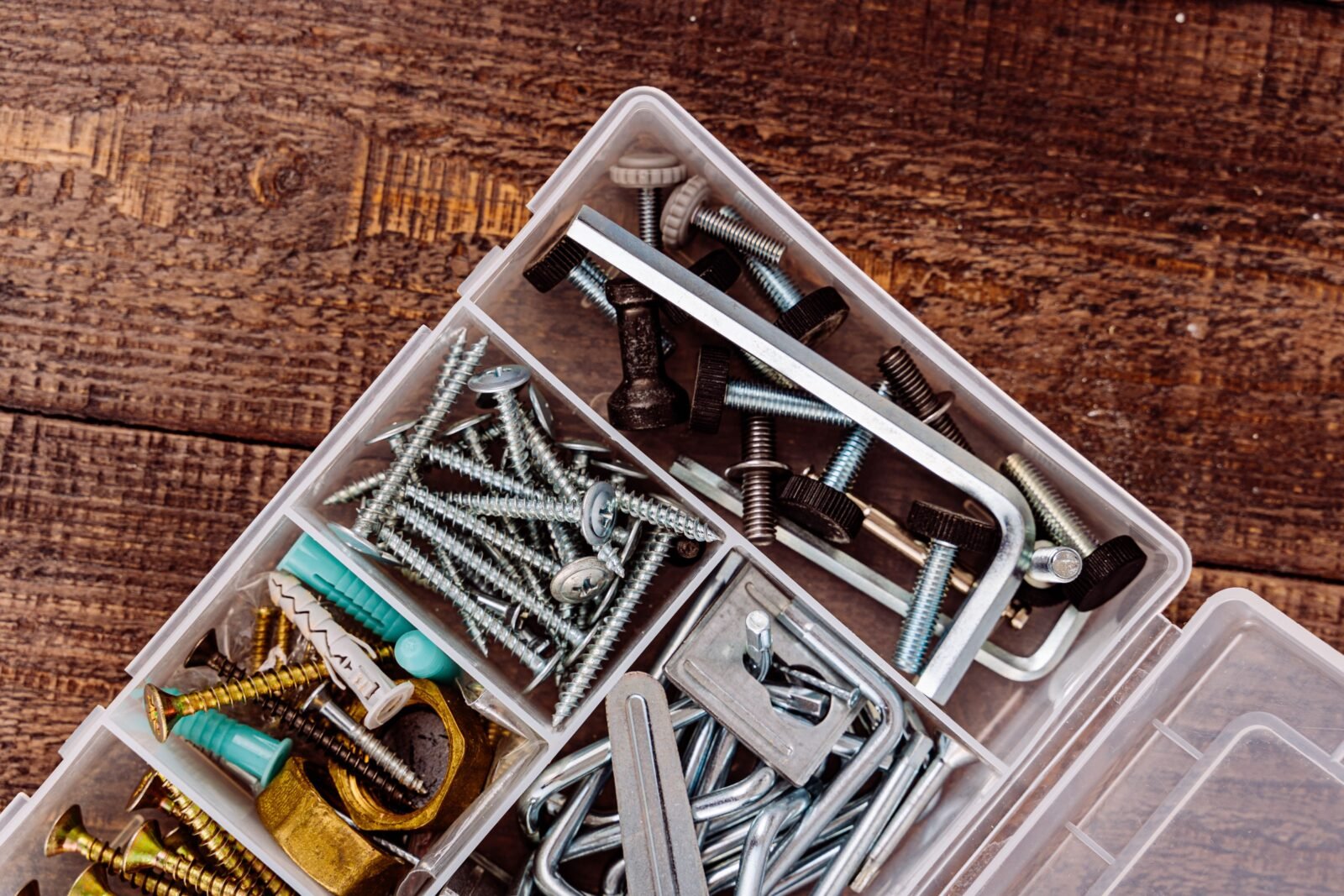
A well-organised workshop makes it easier to locate equipment and complete projects efficiently. Without proper storage, tools can become misplaced, damaged or difficult to access. Wall-mounted pegboards are useful for arranging frequently used hand tools, while drawers and storage cabinets can keep smaller accessories protected. Transparent containers are particularly helpful for organising screws, nails, washers, nuts and other hardware components according to their sizes.
The workshop layout should also provide enough room for comfortable movement and safe operation. A sturdy workbench with a suitable working surface is an important investment for activities such as assembling furniture, repairing household items and preparing materials. Good lighting helps improve visibility, especially when performing detailed work. If the workshop is located in a garage or outdoor area, adequate ventilation can also be important when using adhesives, paints or finishing products.
Keeping the floor clear and returning tools to their designated storage areas after each project can make the workspace more manageable. These simple organisational habits help create a workshop that remains practical even when several projects are being completed.
Prioritising Workshop Safety and Long-Term Equipment Maintenance
Safety should always be considered when setting up and using a home workshop. Protective equipment such as safety glasses, work gloves, dust masks and hearing protection can help reduce exposure to common workshop hazards. Appropriate protection should be selected according to the task being performed, as some activities require additional precautions. Power tools should only be used after reviewing their operating instructions and understanding their safety features.
Electrical safety is another important consideration. Avoid using damaged cables, overloaded power outlets or unsuitable extension leads. Keep electrical equipment away from water and ensure that the workspace has appropriate power connections. Flammable materials, paints and chemicals should be stored safely and handled according to their product instructions.
Regular maintenance helps protect workshop investments and ensures that equipment remains ready for future projects. Inspect tools for wear, clean surfaces after use and store metal components in dry conditions to reduce corrosion. Damaged or worn-out accessories should be replaced before they cause further problems. By combining suitable hardware supplies, organised storage and responsible safety practices, homeowners can create a dependable workshop that supports repairs, creativity and ongoing home improvement.