


Stainless steel is also famous due to its long life, ability to resist corrosion and beauty. The beauty and life-span of the stainless steel however, particularly the post-weld welding, is dependent on how the welding is remedied. The need to have high-performing and aesthetic stainless steel products is on the rise, hence the attention given to clean ups. This not only increases the shine of the material but also is very important in keeping the material intact structurally to avoid the damage in the future.
Safety first: Compliance and Quality Assurance.
Welding stainless steel results in a heat-affected area which may result to oxidation, discoloring, and contamination. The weld strength and the general quality of the weld may be hampered by the existence of impurities that may pose safety risks in both building and food processing sector. That is why, cleaning of stainless steel welds cannot be discussed only as a cosmetic matter, but as the future insurance of all elements complying with the extreme industry standards.
A pickling paste or an electrochemical process is among the effective weld cleaning methods, which will enable the restoration of the weld region to the original state, so that the stainless steel remains corrosion resistant. Welds should be clean in order to meet the required regulatory measures, especially those where high hygienic and safety measures are necessarily, such as health care and food service. Investing in appropriate clean-up of the weld contributes to saving the companies the money spent on repairs, as well as to a larger degree of safety of the users.
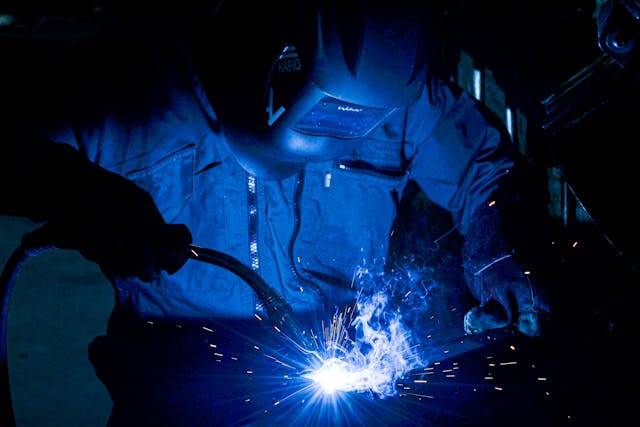
Build to Last: Process and Durability.
Stainless steel has one of the biggest merits of being resistant to rust, corrosion and staining. But unless these properties are adequately cleaned after welding, they may be affected. The cleaning of the welds aids in the elimination of all oxides and contaminants that are likely to inhibit the natural corrosion resistance of the surface.
Stainless steel weld cleaning can be done in a number of different ways such as mechanical cleaning, chemical cleaning and electropolishing. Mechanical cleaning is done using stainless steel brush or grinders whereas chemical cleaning is done by using pickling pastes that are effective in removing contaminants without destroying the surface. Instead, electropolishing is a more modern method which involves removing a layer of material to provide a more smooth surface and also increase the corrosion resistance. Both of these methods have their own advantages and necessitate minimal maintenance in order to have the stainless steel appearing spotless in years to come.
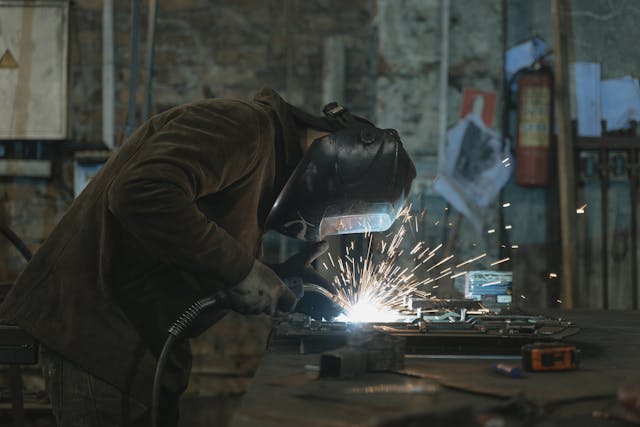
Modern chic: stylishness and usefulness.
Stainless steel weld cleaning is also used to complement the aesthetic quality of the material besides its ability to ensure durability. Uncleaned weld may result in ugly discoloration and pitting which may not add up to the overall appearance of the stainless steel product. Polished welds are also clean and this gives the seamless appearance that is a major consideration in applications that are visible like railings, kitchen appliances, and furniture.
In addition to this, the range of finishes that can be used on stainless steel can be customized and will therefore, enable the homeowners and businesses to select a appearance that suits their design. Whether it is brushed finishes or mirror-polished, a well-cleaned weld does not only work well, it also adds beauty to the overall appearance of the entire installation.
To the people who appreciate indulgent design, the versatility of stainless steel enables its combination with other types of materials producing a perfect blend of contemporary and traditional design both. Such flexibility will make sure that every installation, be it a commercial kitchen or a home environment, is styled in a distinctive manner and gives the best performance.