



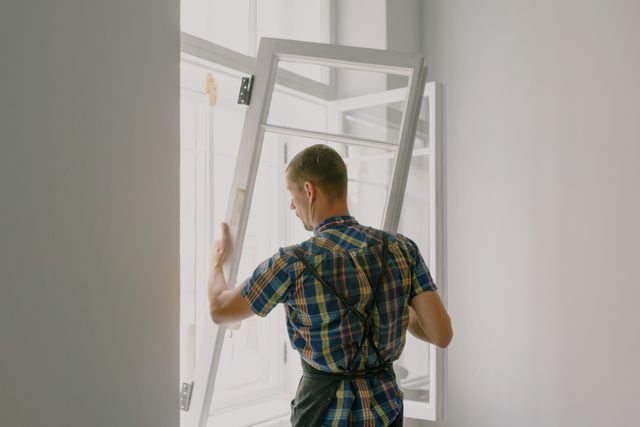
A broken window can be a very hard choice. A little flaw may be fixable, but frequent drafts, wetness or failing hardware could be signs of a larger problem. The optimum decision is one which considers safety, the state of the overall assembly and the manner the room is utilised, and does not only look at the pane by itself.
Start With Immediate Safety
Be cautious of cracked or loose glass. Keep people and pets away, do not stress on the injured area and do not try to take loose pieces from a frame. If the aperture is exposed, a professional can advise on safe interim protection. Safety first , because little crack might change with pressure or temperature movement .
Check More Than Just the Glass
window replacement experts in sydney will evaluate the frame, seals, hardware and surrounding aperture, as well as the evident damage. You may easily replace the glass in a sound frame, but if there is corrosion, rot, distortion or water coming in again and again, a more comprehensive remedy may be advisable. It important because fixing one part will not fix a problem somewhere another.
Think about Comfort and Performance
Windows affect heat, noise, ventilation and protection from the elements. A repair may restore security but do nothing about problematic operation or lasting drafting. The replacement provides a chance to debate the type of glass, the function of the frame and practical enhancements that complement the building. The goal should be a clear performance conclusion, not a more complex spec than the property requires.
Respect the Building’s Character
Older homes, apartment buildings, and refurbished commercial spaces can have unique proportions or similar appearance needs. Matching sightlines, frame hues and opening styles might be vital to the end product. Early checking of duties may prevent delays once materials have been selected since strata approval or heritage considerations may also limit the choices available.
Whole-Life Value Comparison
The cheapest price you pay upfront isn’t always the cheapest overall. Repeated call-outs, poor sealing or hard-to-source materials might drive up the cost of a temporary repair over time. A window in otherwise good condition, however, may not need replacing. Ask the reasons for each recommendation, projected service life and what is included in the job.
Make The Call With The Evidence
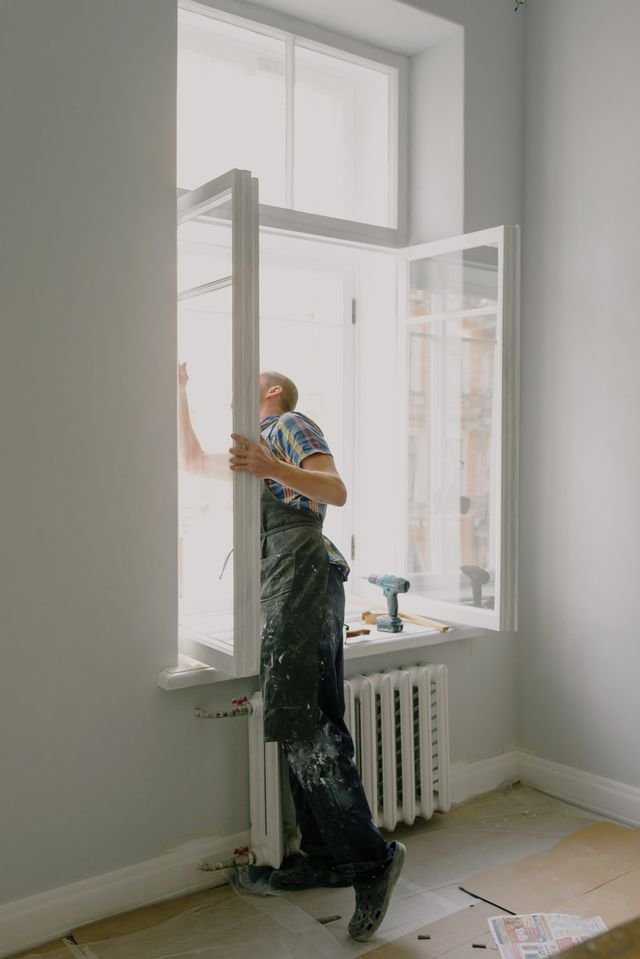
Helpful images, measurements and a short history of the problem might show a glazier what’s going on. Note if the problem followed a blow, is present just in particular conditions, or has recurred following previous work. In this context, repair and replacement can be compared on the basis of safety, performance, attractiveness and value, leading to a decision suited to the real window, rather than a generic guideline.